Playtime & Mealtime: How to Time Exercise to Help Prevent Bloat
When to play, walk and feed your dog to lower the risk of bloat (GDV), which dogs are at higher risk, and the warning signs that mean go to the vet now.
Save to Pinterest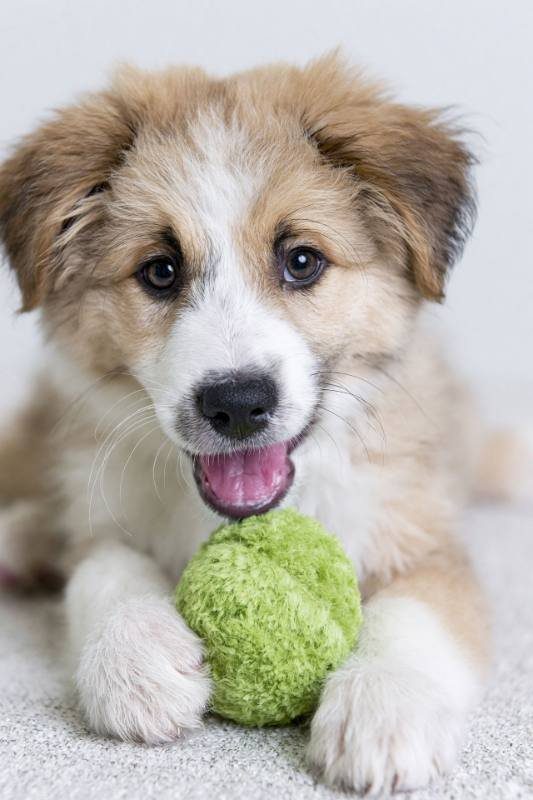
Shop this list
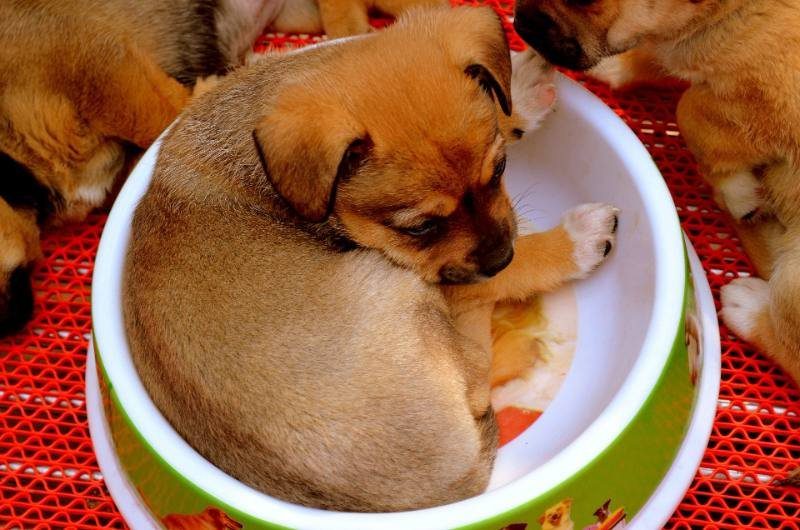 Slow Feeder Bowl
Stops gulping, which helps with vomiting and bloating.
Check price on Amazon
Slow Feeder Bowl
Stops gulping, which helps with vomiting and bloating.
Check price on Amazon
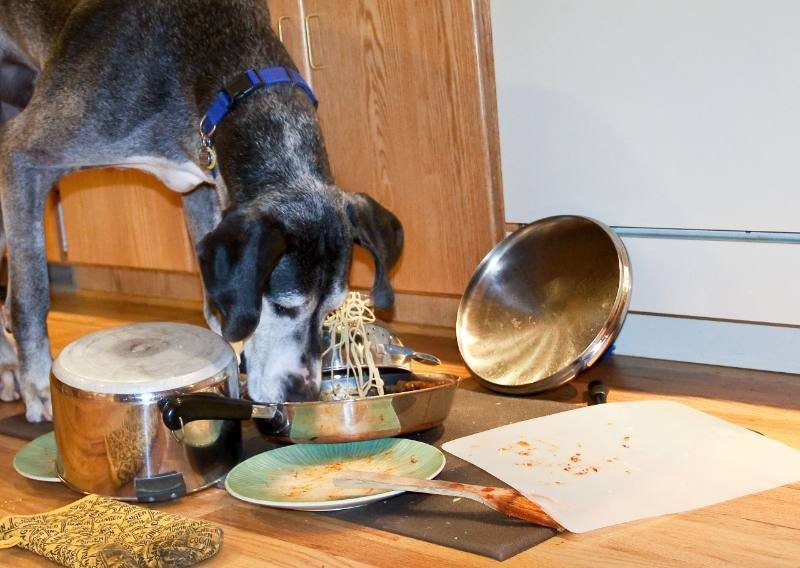 Snuffle Mat
Turns mealtime into a sniffing game that tires them out.
Check price on Amazon
Snuffle Mat
Turns mealtime into a sniffing game that tires them out.
Check price on Amazon
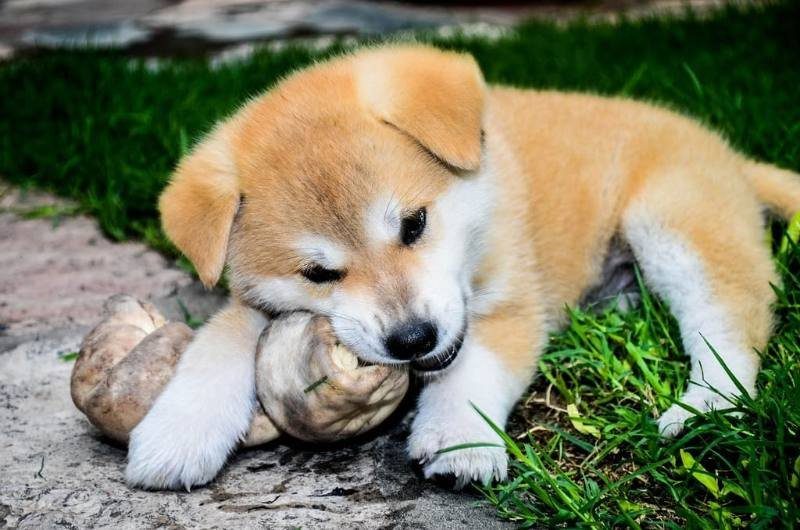 Lick Mat
Spread on plain yogurt or pumpkin for 15 calm minutes.
Check price on Amazon
Lick Mat
Spread on plain yogurt or pumpkin for 15 calm minutes.
Check price on Amazon
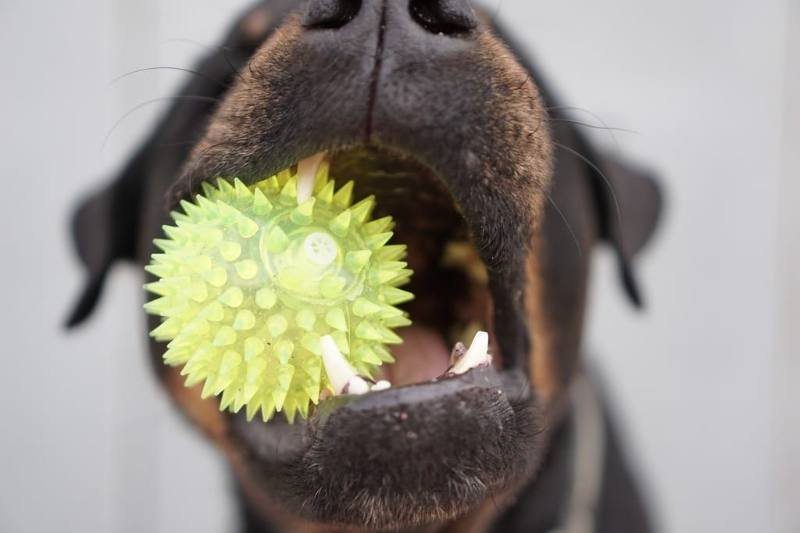 Beginner Puzzle Toy
Mental exercise on rainy days.
Check price on Amazon
Pet Food Measuring Cup Set
Consistent portions every meal, the simplest way to avoid overfeeding.
Check price on Amazon
Silicone Food & Water Mat
Raised edges catch spills and splashes. Wipes clean.
Check price on Amazon
Beginner Puzzle Toy
Mental exercise on rainy days.
Check price on Amazon
Pet Food Measuring Cup Set
Consistent portions every meal, the simplest way to avoid overfeeding.
Check price on Amazon
Silicone Food & Water Mat
Raised edges catch spills and splashes. Wipes clean.
Check price on Amazon We earn a small commission if you buy through these links, at no extra cost to you. Learn more.
The mealtime timeline
A common vet recommendation is to avoid vigorous exercise for at least an hour after a meal, and many vets suggest up to two hours for high-risk breeds. Your vet can tell you what's right for your dog.
- Before the mealCalm timeLet your dog settle for a while after hard play before you put the bowl down. Many vets suggest about an hour of calm before a big meal.
- MealtimeEat slowlyUse a slow feeder or snuffle mat, and serve a measured portion. Offer water, but don't let them gulp a huge amount at once.
- 1-2 hours afterRest & easy sniffsNo running, fetch, rough play or zoomies. A calm sniff around the yard for a potty break is fine.
- LaterPlaytime!Once the meal has settled, it's time for walks, games and training.
Bloat warning signs: go to a vet now
- Retching or trying to vomit with nothing coming up
- Swollen, tight or painful belly
- Restlessness, pacing, can't get comfortable
- Heavy drooling or panting
- Weakness, pale gums or collapse
Don't wait to see if it passes. Call your vet or the nearest emergency vet and head in right away. Bloat can become fatal within hours.
What is bloat?
Bloat, or gastric dilatation-volvulus (GDV), happens when a dog's stomach fills with gas and can twist on itself. It's a life-threatening emergency that needs a vet right away. It's most common in large, deep-chested breeds, but any dog can be affected.
Which dogs are at higher risk?
- Large and giant breeds with deep, narrow chests, such as Great Danes, German Shepherds, Standard Poodles, Weimaraners and Irish Setters
- Dogs fed one large meal a day
- Fast eaters
- Older dogs
- Dogs with a parent or sibling who had bloat
- Anxious or stressed dogs
Other ways to lower the risk
- Split food into 2-3 smaller meals instead of one big one.
- Slow down fast eaters with a slow feeder, snuffle mat or puzzle toy.
- Measure portions so meals stay a consistent size.
- Keep mealtime calm. Feed anxious dogs away from other pets and busy areas.
- Skip the raised bowl for bloat prevention. One large study linked raised bowls to a higher risk in large and giant breeds. Ask your vet.
- Ask your vet about gastropexy for high-risk breeds. It's a preventive surgery often done at the same time as spay or neuter.
Calm activities that work right after meals
A lick mat, a gentle sniff around the yard, a short training session on a mat, or simply a nap. Save fetch, running and rough play for later.
Keep reading
Free printableFoods That Are Toxic to Dogs: The Complete List
The expanded list of foods toxic to dogs, sorted by how serious they are, plus where they hide and what to do in an emergency.
Quick list16 Human Foods That Are Safe for Dogs
Safe human foods for dogs: healthy snacks from your fridge, how to serve them, and the one rule to remember.
Setup guideThe Mess-Free Dog Feeding Station
How to set up a clean, mess-free dog feeding station: the right bowls, mats, storage and slow feeders.