New Puppy Tips
Your First 30 Days With a New Puppy
A week-by-week plan for your first 30 days with a new puppy: settling in, potty training, crate training and socializing.
Save to Pinterest
Shop this list
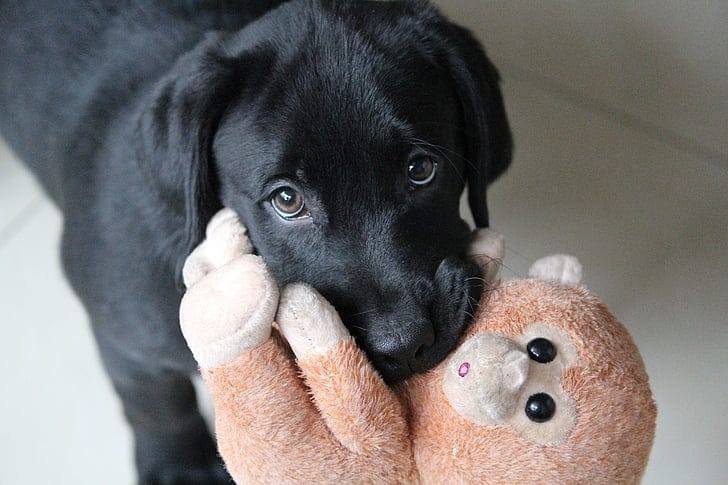 Double-Door Folding Crate with Divider
The divider grows with your puppy, so you buy one crate, not three.
Check price on Amazon
Heartbeat Comfort Toy
A warm 'littermate' that helps many puppies settle the first nights.
Check price on Amazon
Double-Door Folding Crate with Divider
The divider grows with your puppy, so you buy one crate, not three.
Check price on Amazon
Heartbeat Comfort Toy
A warm 'littermate' that helps many puppies settle the first nights.
Check price on Amazon
 Enzyme Stain & Odor Spray
Breaks down urine so puppies don't return to the same spot.
Check price on Amazon
Enzyme Stain & Odor Spray
Breaks down urine so puppies don't return to the same spot.
Check price on Amazon
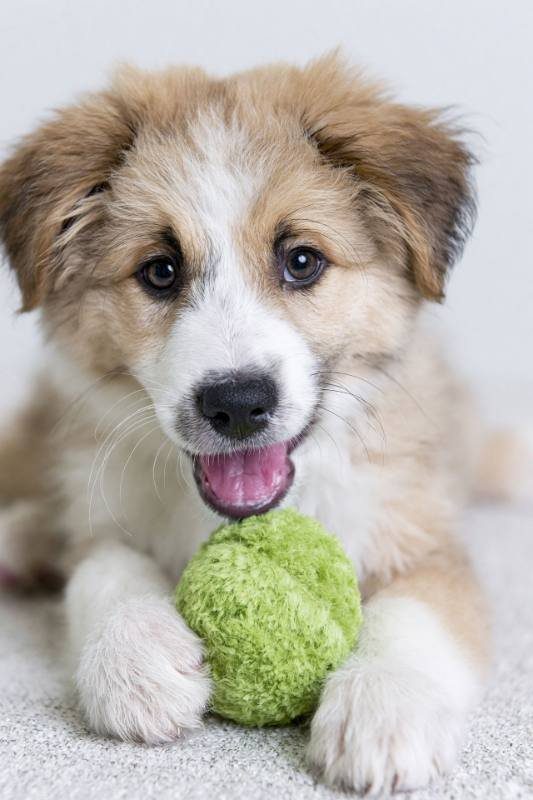 Tiny Soft Training Treats
Pea-sized and soft so you can reward often without overfeeding.
Check price on Amazon
Tiny Soft Training Treats
Pea-sized and soft so you can reward often without overfeeding.
Check price on Amazon
 Training Treat Pouch
Hands-free treats so you can reward the instant they get it right.
Check price on Amazon
Training Treat Pouch
Hands-free treats so you can reward the instant they get it right.
Check price on Amazon
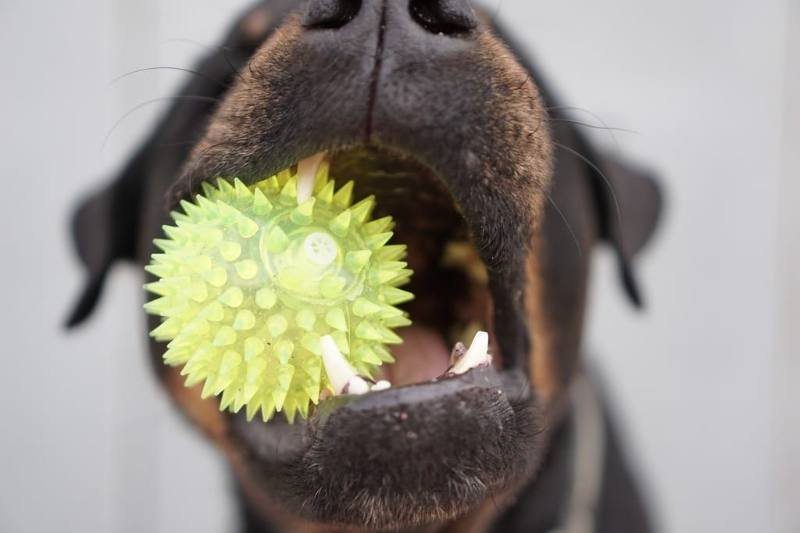 Classic Rubber Treat Toy (Puppy)
Stuff it, freeze it, and get some quiet time.
Check price on Amazon
Classic Rubber Treat Toy (Puppy)
Stuff it, freeze it, and get some quiet time.
Check price on Amazon We earn a small commission if you buy through these links, at no extra cost to you. Learn more.
Before they come home
- Pick the crate spot (near where you sleep for the first weeks).
- Puppy-proof: cords, shoes, plants, trash cans, low cabinets.
- Buy the essentials from the checklist and set up the gate.
- Book a vet visit for the first week.
- Decide family rules: who feeds, where the dog sleeps, what words you'll use for commands.
Days 1-3: Settle in
- Go straight to the potty spot when you get home.
- Keep it quiet: no big visitors or outings yet.
- Start a simple routine: potty, eat, play, potty, nap.
- Take them out after waking, eating, playing, and every 1-2 hours.
- Expect some crying at night; take them out once, calmly, then back to the crate.
Days 4-7: Build the routine
- First vet visit: bring records, ask about vaccines, deworming and food amounts.
- Short crate sessions during the day with a stuffed chew toy.
- Start name recognition and 'sit' with tiny treats.
- Handle paws, ears and mouth gently every day.
Week 2: Gentle exploring
- Introduce new sounds, surfaces and people at home.
- Practice short alone time (5-15 minutes) so being alone is normal.
- Start wearing the collar and harness indoors.
- Keep cleaning accidents with enzyme spray, never scold after the fact.
Week 3: Learn & socialize
- Ask your vet when it's safe to visit public places.
- Look into puppy classes.
- Practice 'come,' 'down,' and loose-leash walking in the yard.
- Try a lick mat or snuffle mat for calm time.
Week 4: Check in
- Look at your potty log: are accidents going down?
- Slowly stretch time between potty breaks.
- Book next vaccines if needed.
- Celebrate! The first month is the hardest.
Every puppy is different. Your vet is the best guide for vaccines, food amounts and when it's safe to go out in public.
Keep reading
TrainingPuppy Potty Training Schedule That Works
A simple puppy potty training schedule by age, with the times your puppy needs to go out and what to do about accidents.
TrainingCrate Training & Surviving the First Night
How to crate train a puppy and get through the first night: setup, routines and what to do when they cry.
Safety guidePlaytime & Mealtime: How to Time Exercise to Help Prevent Bloat
When to play, walk and feed your dog to lower the risk of bloat (GDV), which dogs are at higher risk, and the warning signs that mean go to the vet now.