Puppy Feeding Schedule by Age
How many meals a puppy needs at each age, a sample daily feeding schedule, and simple tips for measuring portions and switching foods safely.
Save to Pinterest
Shop this list
Pet Food Measuring Cup Set
Consistent portions every meal, the simplest way to avoid overfeeding.
Check price on Amazon
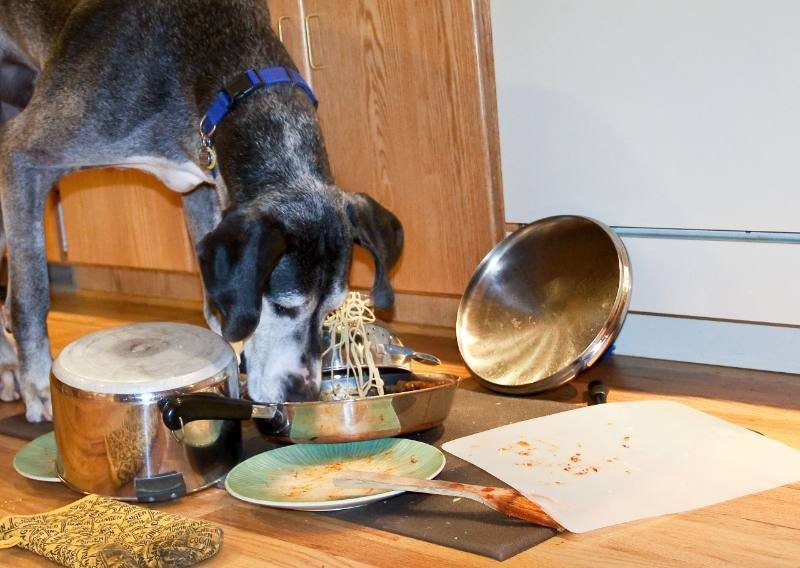 Slow Feeder Bowl
Stops gulping, which helps with vomiting and bloating.
Check price on Amazon
Stainless Steel Non-Slip Bowls
Doesn't hold odors or scratch like plastic; dishwasher safe.
Check price on Amazon
Slow Feeder Bowl
Stops gulping, which helps with vomiting and bloating.
Check price on Amazon
Stainless Steel Non-Slip Bowls
Doesn't hold odors or scratch like plastic; dishwasher safe.
Check price on Amazon
 Airtight Food Storage Bin
Keeps kibble fresh and stops counter-surfing dogs from helping themselves.
Check price on Amazon
Airtight Food Storage Bin
Keeps kibble fresh and stops counter-surfing dogs from helping themselves.
Check price on Amazon
 Silicone Food & Water Mat
Raised edges catch spills and splashes. Wipes clean.
Check price on Amazon
Silicone Food & Water Mat
Raised edges catch spills and splashes. Wipes clean.
Check price on Amazon
 Tiny Soft Training Treats
Pea-sized and soft so you can reward often without overfeeding.
Check price on Amazon
Tiny Soft Training Treats
Pea-sized and soft so you can reward often without overfeeding.
Check price on Amazon We earn a small commission if you buy through these links, at no extra cost to you. Learn more.
Meals per day by age
| Age | Meals | Notes |
|---|---|---|
| 8-12 weeks | 4 meals a day | Small meals spaced through the day; tiny stomachs empty fast. |
| 3-6 months | 3 meals a day | Most puppies are ready to drop the 4th meal; keep portions measured. |
| 6-12 months | 2 meals a day | Small and medium breeds may switch to adult food near 12 months. |
| 12+ months | 2 meals a day | Large and giant breeds often stay on puppy food longer. Ask your vet when to switch. |
These are typical guidelines. Every puppy is different, so follow your vet's advice for your puppy's breed, size and health.
Sample day (3-6 month puppy)
| 7:00 am | Breakfast, then straight outside to potty |
| 12:00 pm | Lunch, then outside |
| 5:00 pm | Dinner, then outside |
| Bedtime | Last potty trip; many owners pick up water a couple of hours before bed during house training |
How much food?
Start with the feeding guide on your puppy food bag, based on your puppy's current weight and expected adult size, then ask your vet to fine-tune it at checkups. Use a measuring cup every time. You should be able to feel your puppy's ribs easily under a thin layer of fat without seeing them.
Switching foods
Keep feeding what the breeder or shelter used for the first week or two. If you want to switch, mix the new food in gradually over about 7-10 days to avoid an upset stomach.
Treats count
Training treats add up fast. Use tiny, soft treats and keep treats to around 10% of daily calories. Many trainers simply use part of the daily kibble as rewards.
Large-breed puppies
Large and giant breeds do best on a food made for large-breed puppies, which controls growth rate. These breeds are also at higher risk of bloat, so read our guide to timing play around meals.
Keep reading
Free printableFoods That Are Toxic to Dogs: The Complete List
The expanded list of foods toxic to dogs, sorted by how serious they are, plus where they hide and what to do in an emergency.
Quick list16 Human Foods That Are Safe for Dogs
Safe human foods for dogs: healthy snacks from your fridge, how to serve them, and the one rule to remember.
Setup guideThe Mess-Free Dog Feeding Station
How to set up a clean, mess-free dog feeding station: the right bowls, mats, storage and slow feeders.